Collapsed Culvert Repair and Drainage Fix Near New London-Spicer
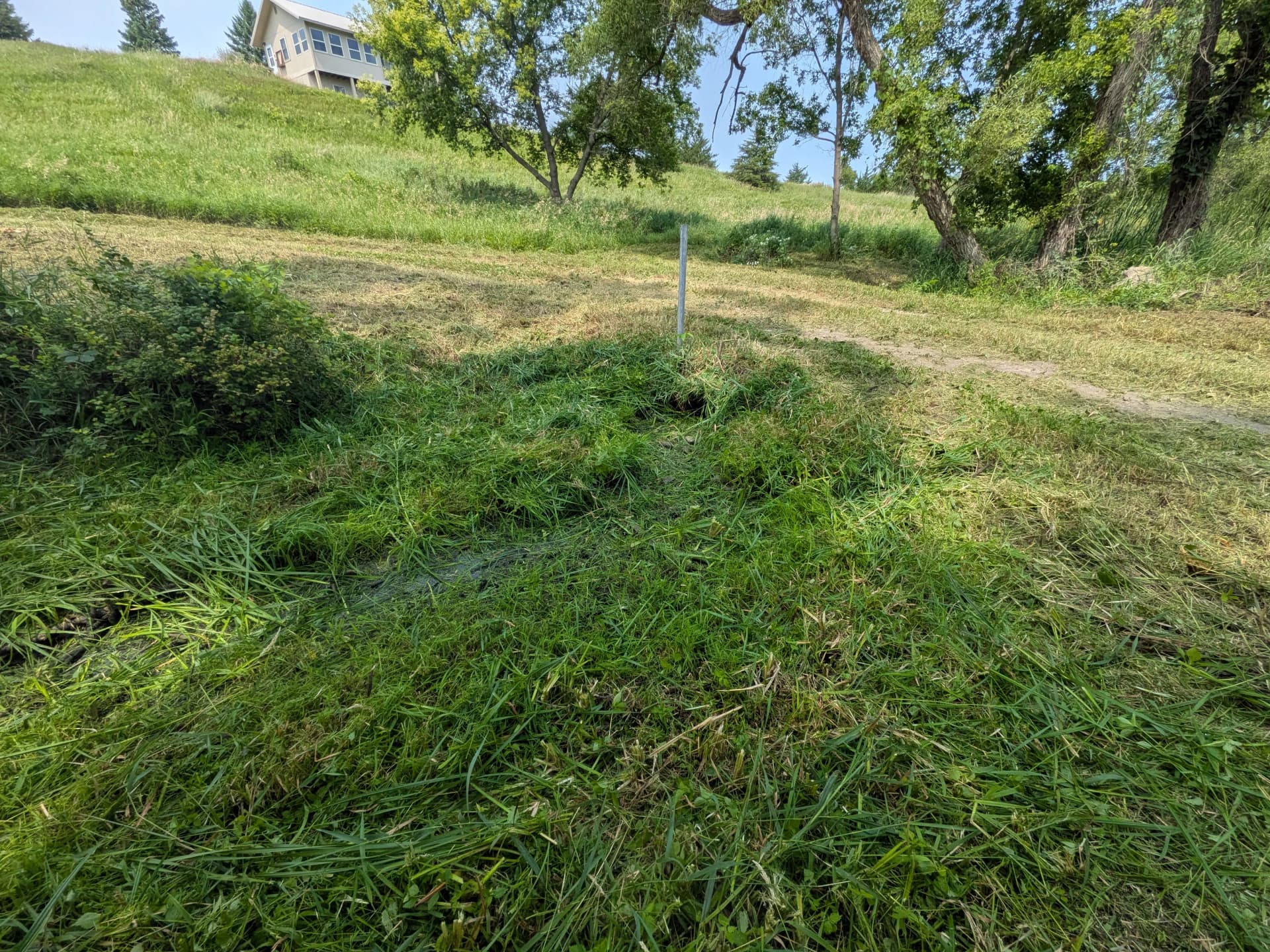
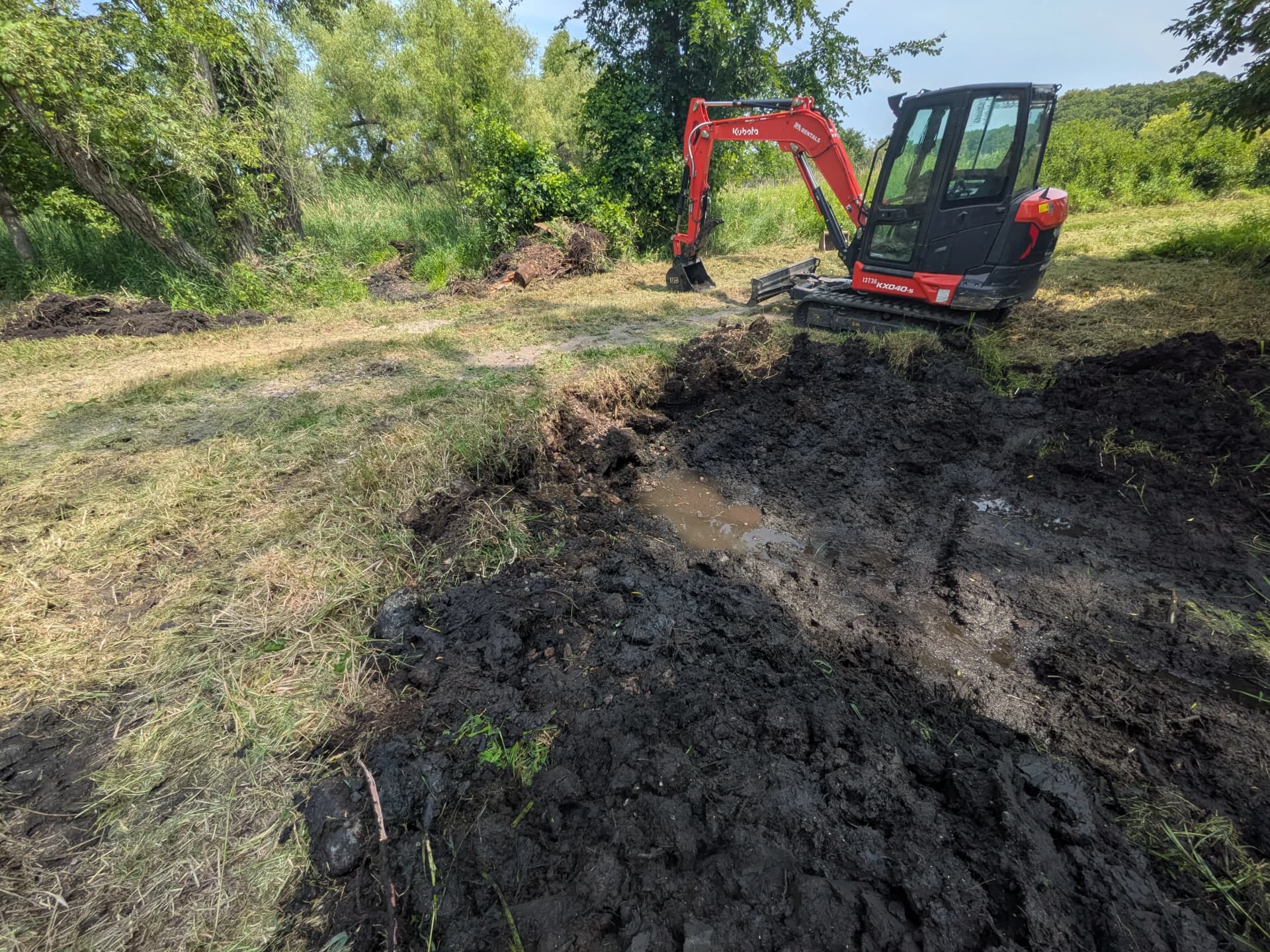
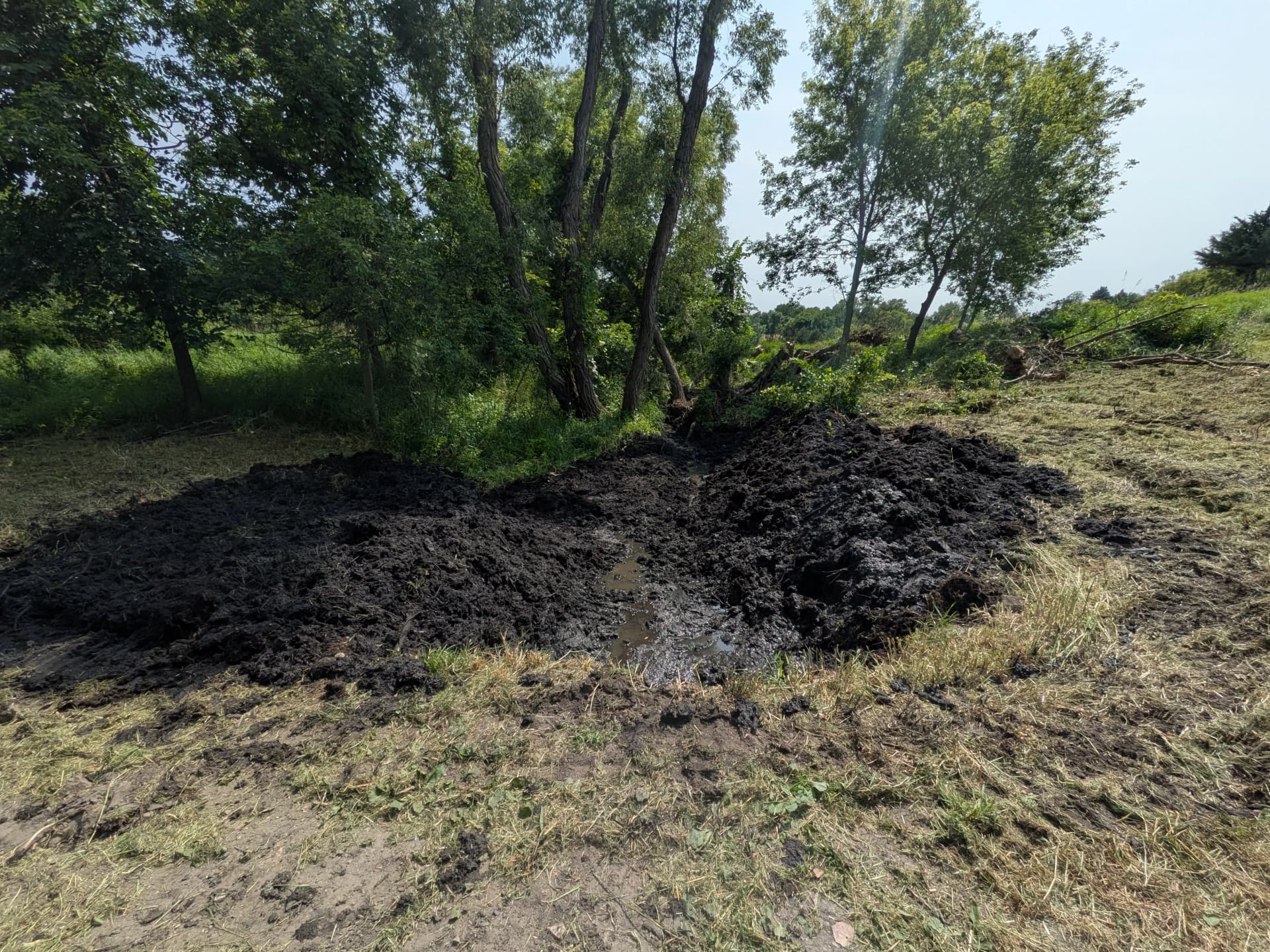
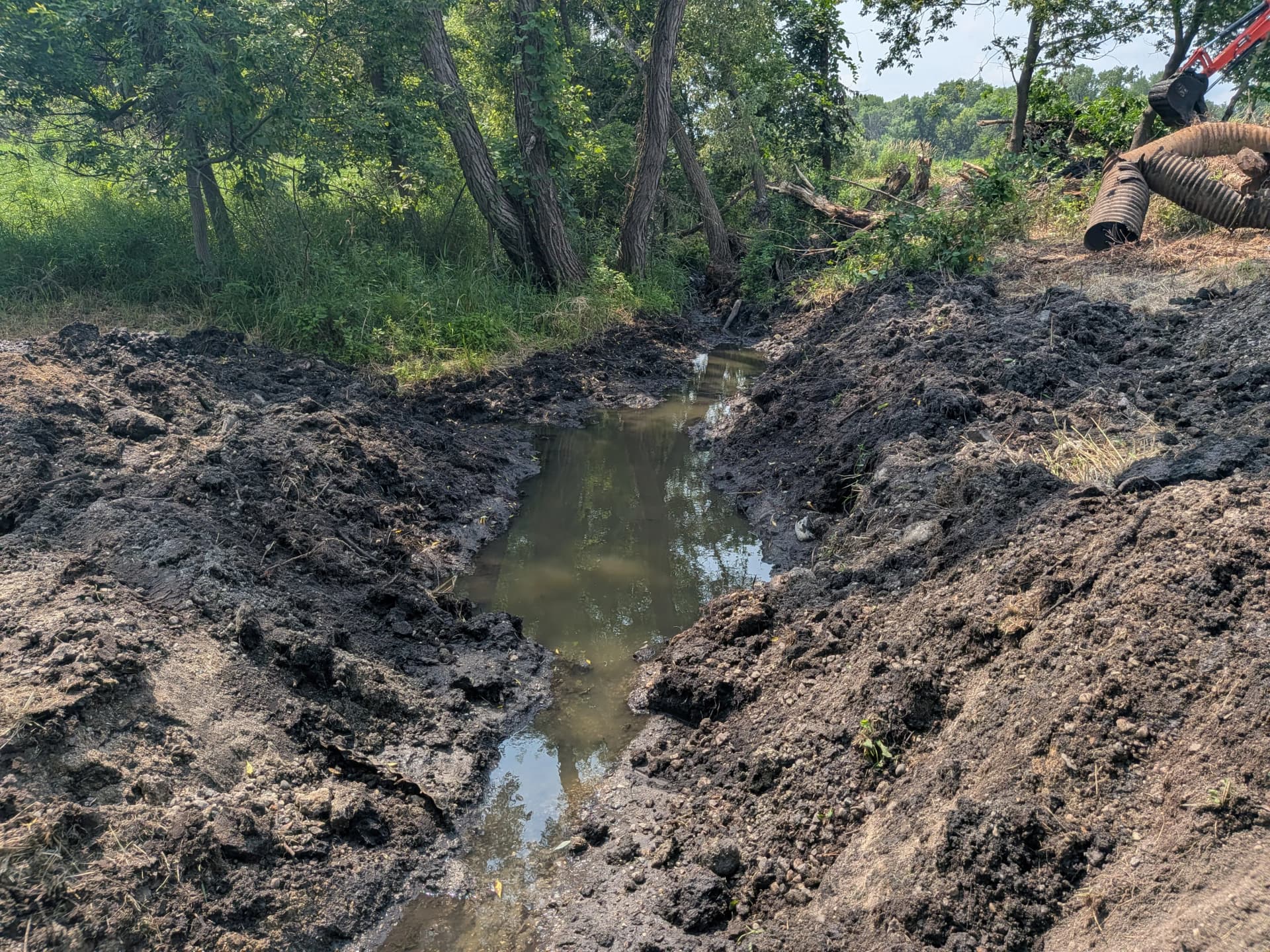
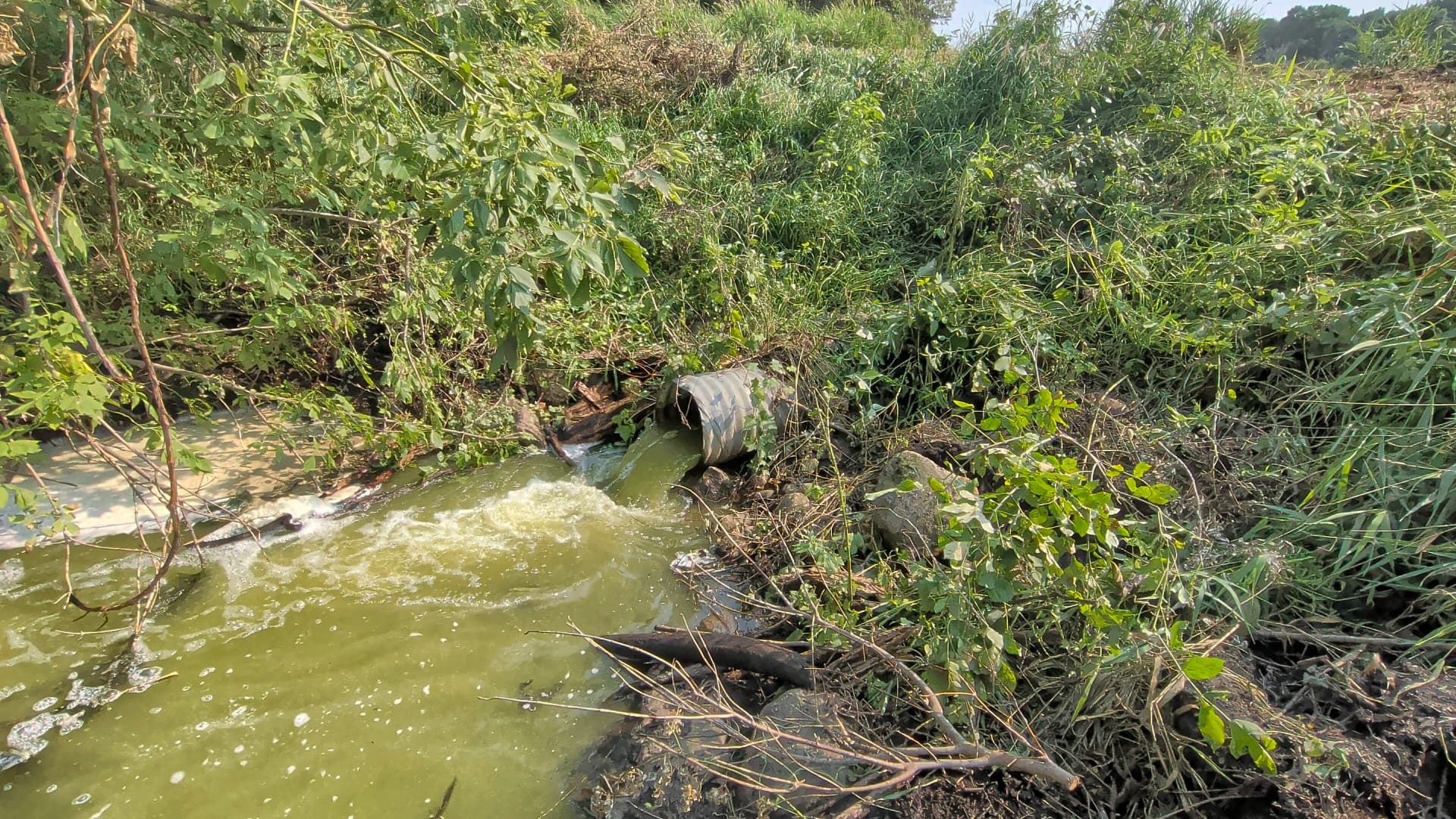
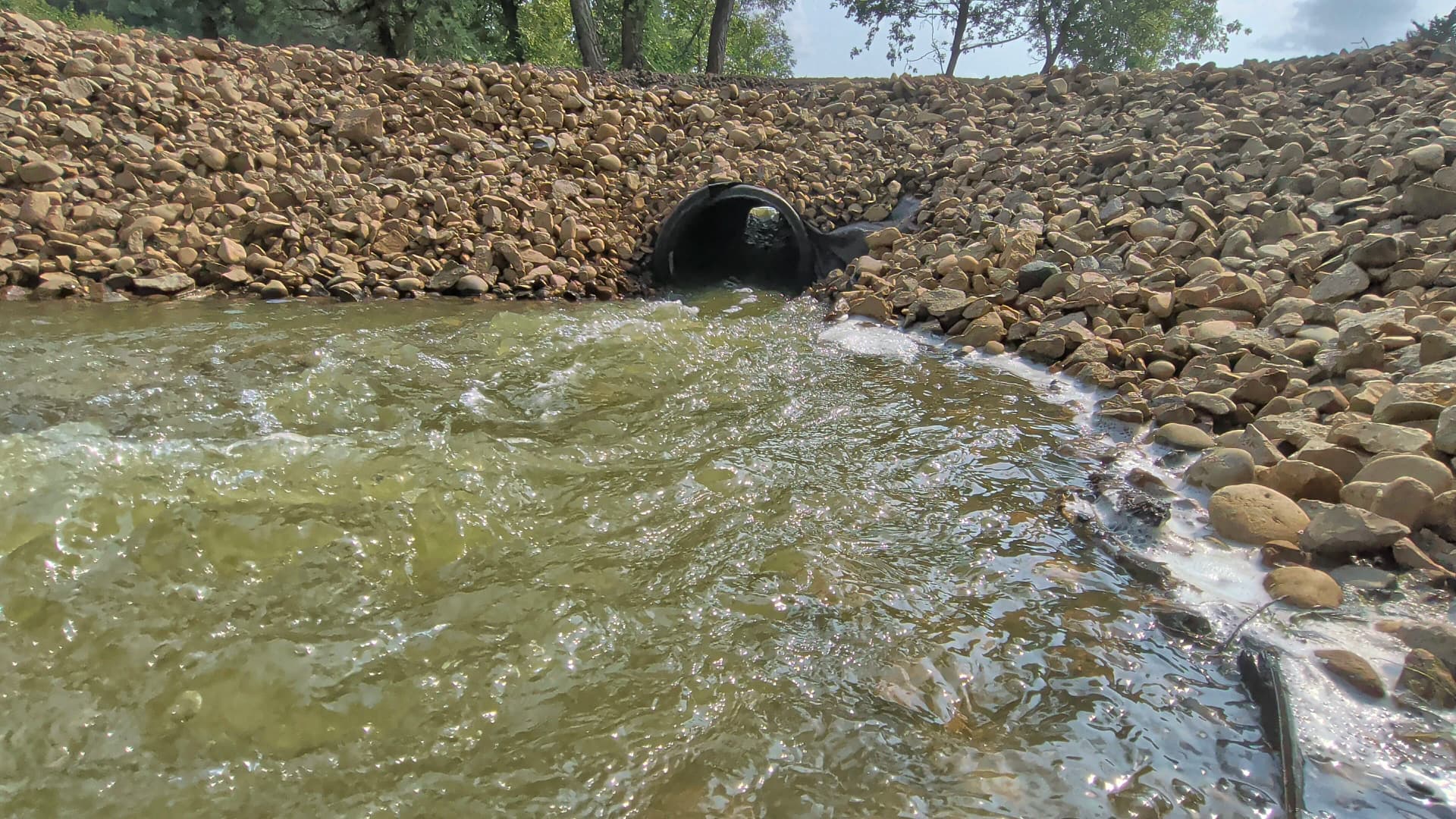
A failed culvert doesn't just sit there looking bad - it actively works against you. Water backs up, flow gets redirected, and the next thing you know you've got washout eating away at your road crossing and the surrounding land. That's exactly what we were dealing with near New London-Spicer.
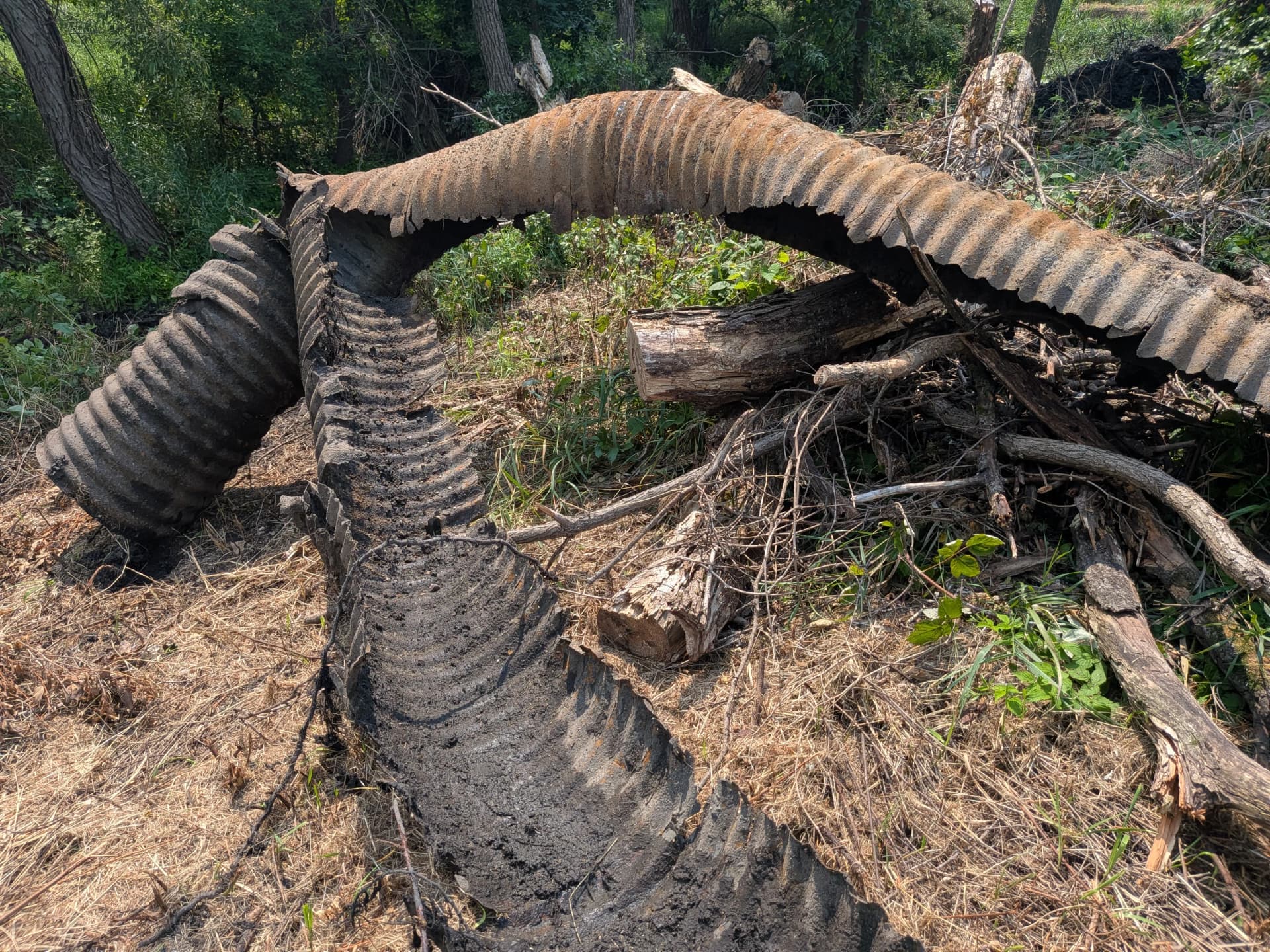
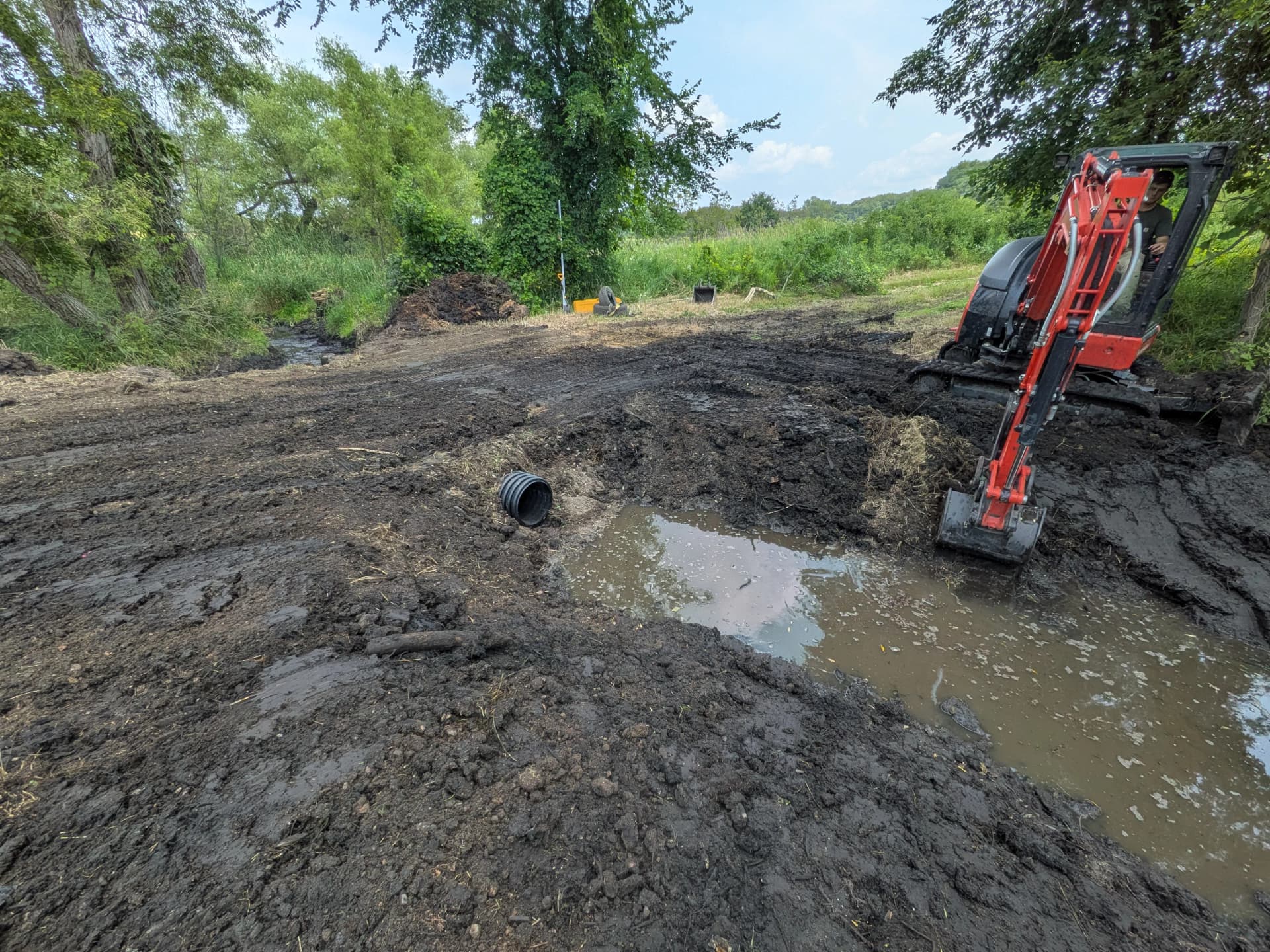
The old corrugated metal culvert was completely gone. Crushed, rotted out, and buried under years of built-up sediment. Water had nowhere to go through, so it went over and around instead - tearing up the crossing and pushing flow where it had no business being. We dug the whole area out, pulled the failed pipe, and cleared out the sediment that had packed in around the inlet.
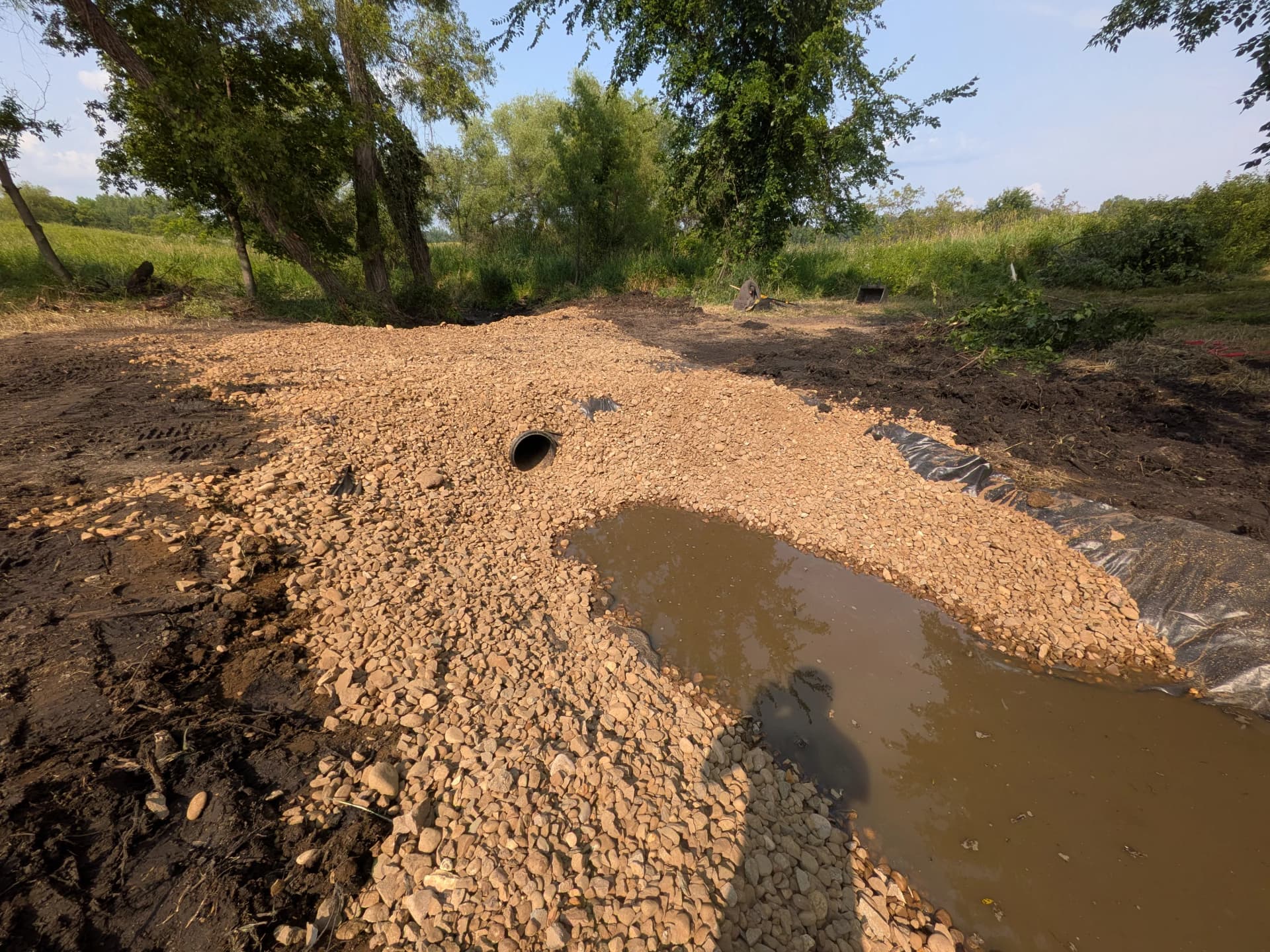
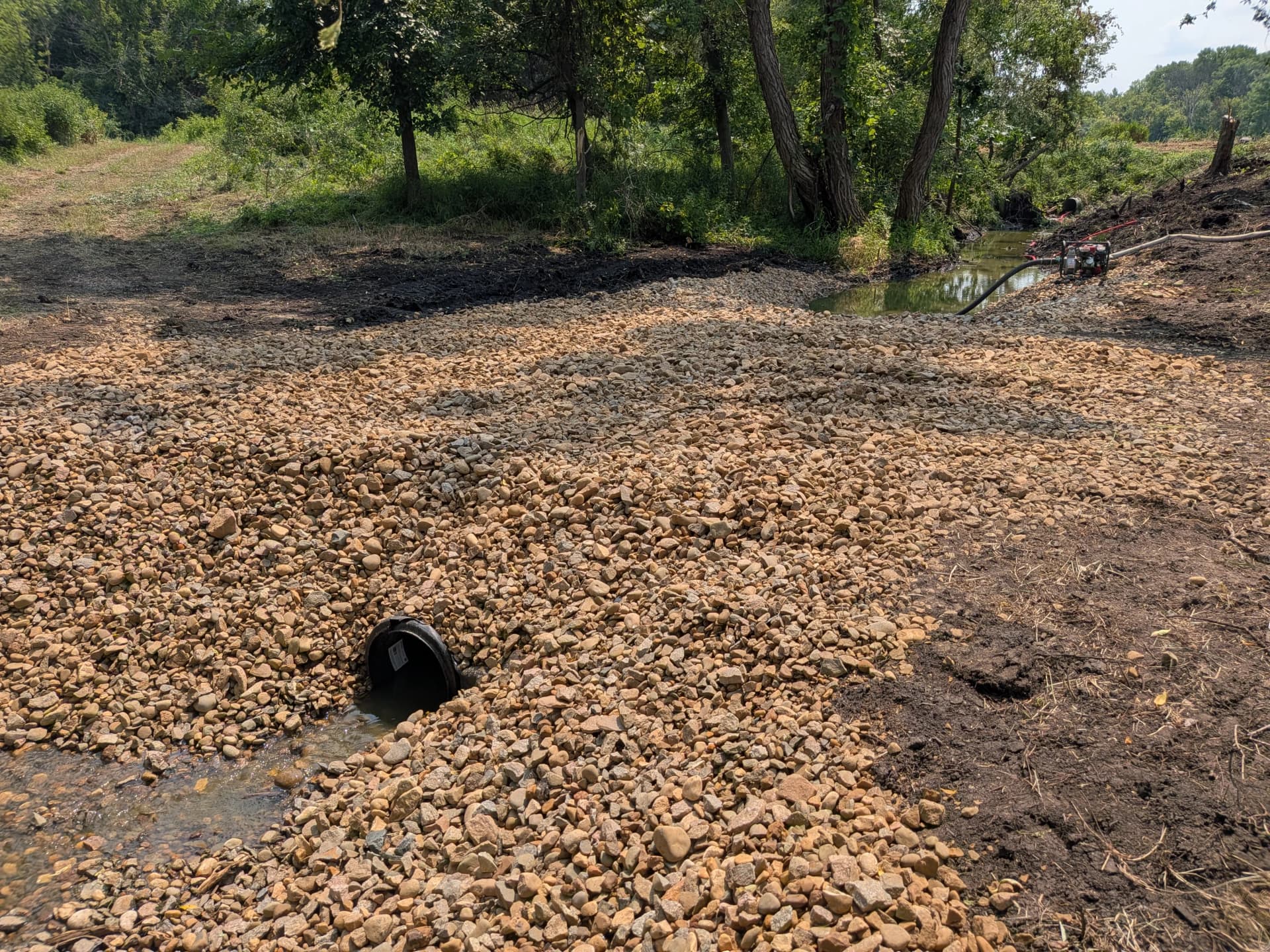
Once we had a clean, shaped channel to work with, we set a new culvert and packed the crossing with gravel and rock - giving the structure solid material to sit in and giving water a clear path to move through. The riprap lining on the outlet side is there for a reason too. That's what keeps high-flow events from undermining the new pipe and starting the whole problem over again.
What you end up with is a crossing that actually works. Water moves through the pipe the way it should, the road surface stays intact, and the surrounding area stops taking a beating every time it rains. Drainage solutions like this aren't glamorous work, but ignoring a failed culvert only makes the repair bigger and more expensive down the road.
If you've got a crossing that's washing out, a culvert that's failing, or standing water that keeps showing up where it shouldn't - that's not a problem that fixes itself. We do this kind of work regularly and we know how to get it done right.