Overgrown Property Land Clearing and Storm Tree Removal in Lakefield
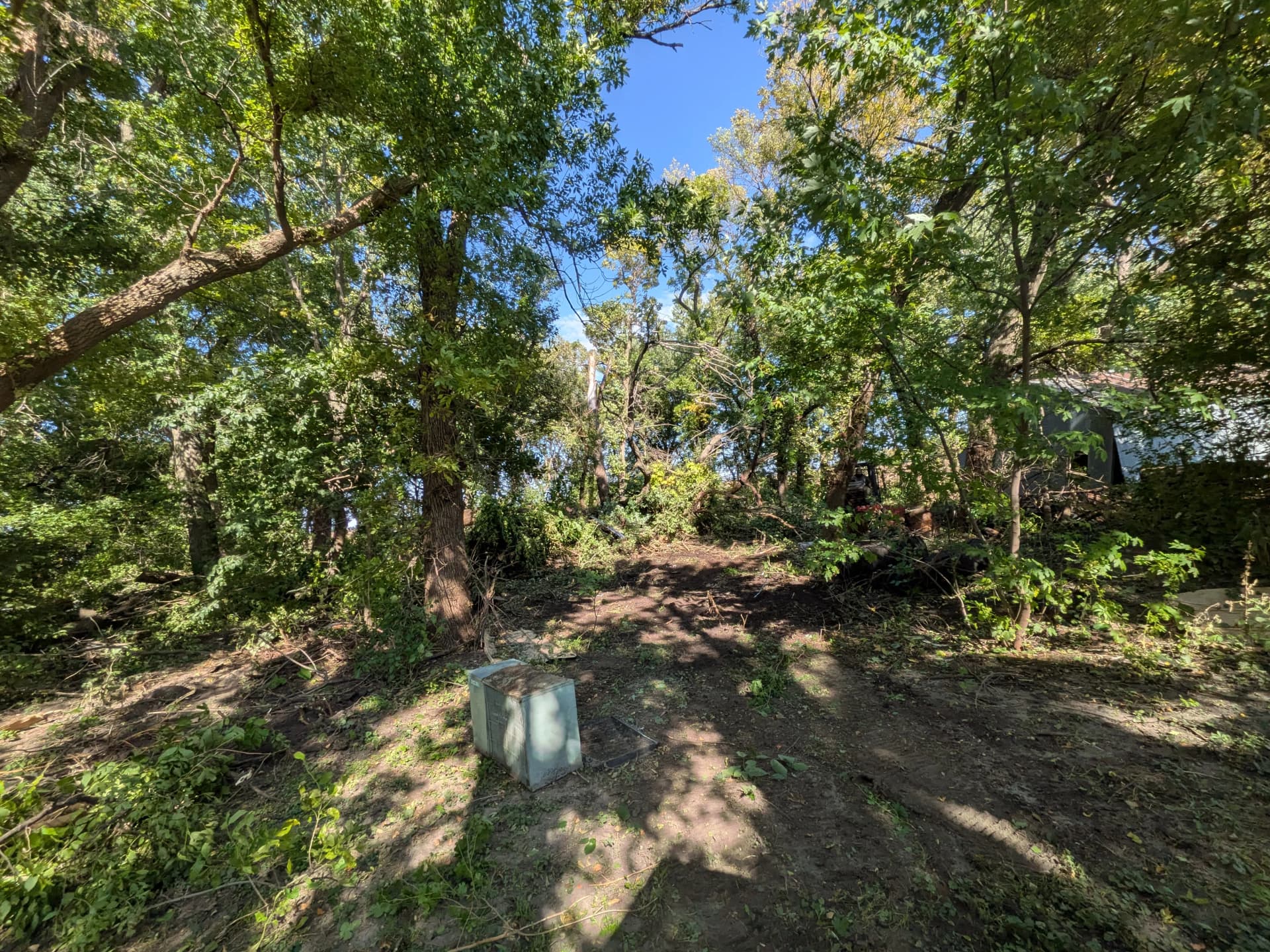
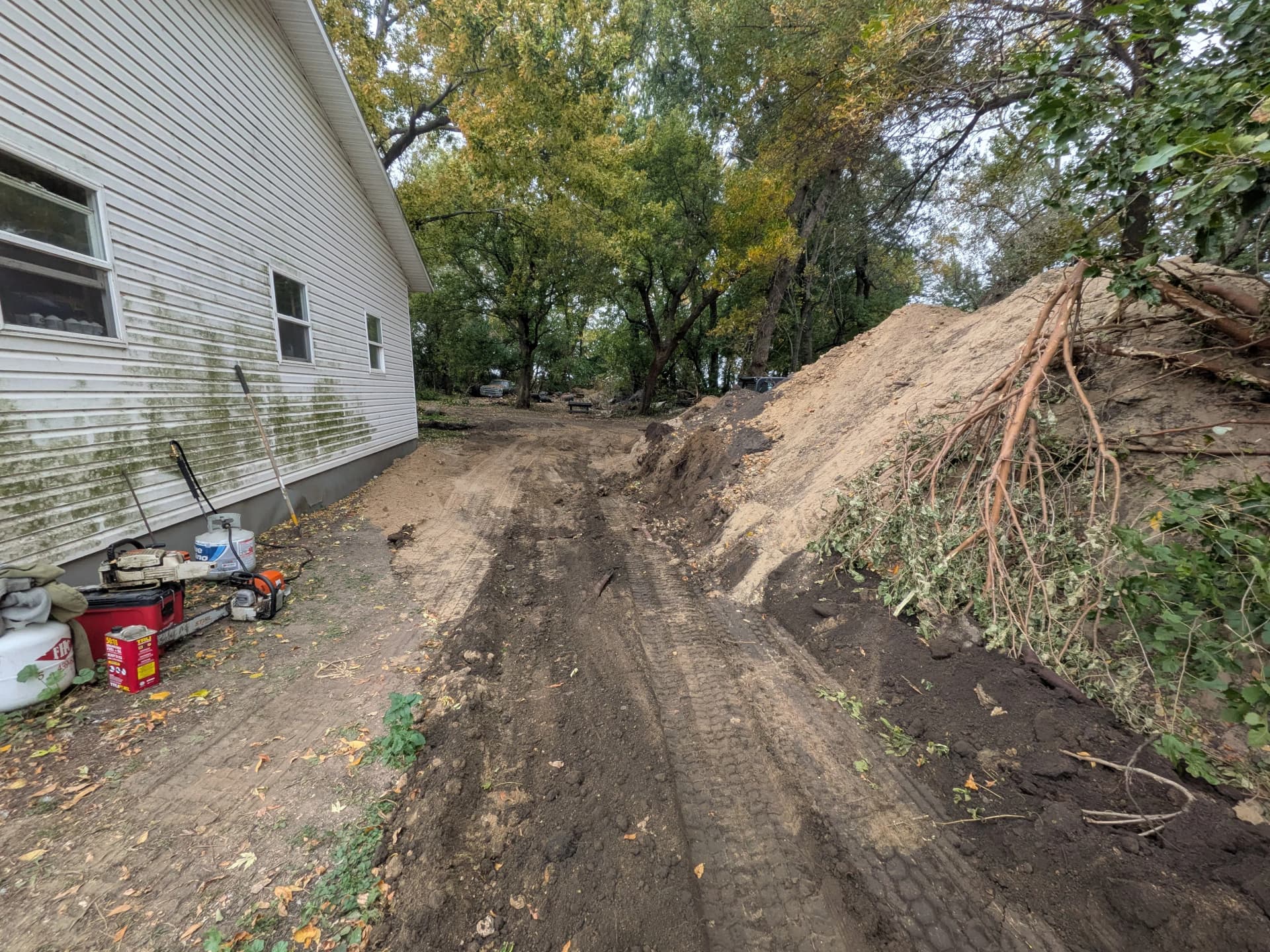
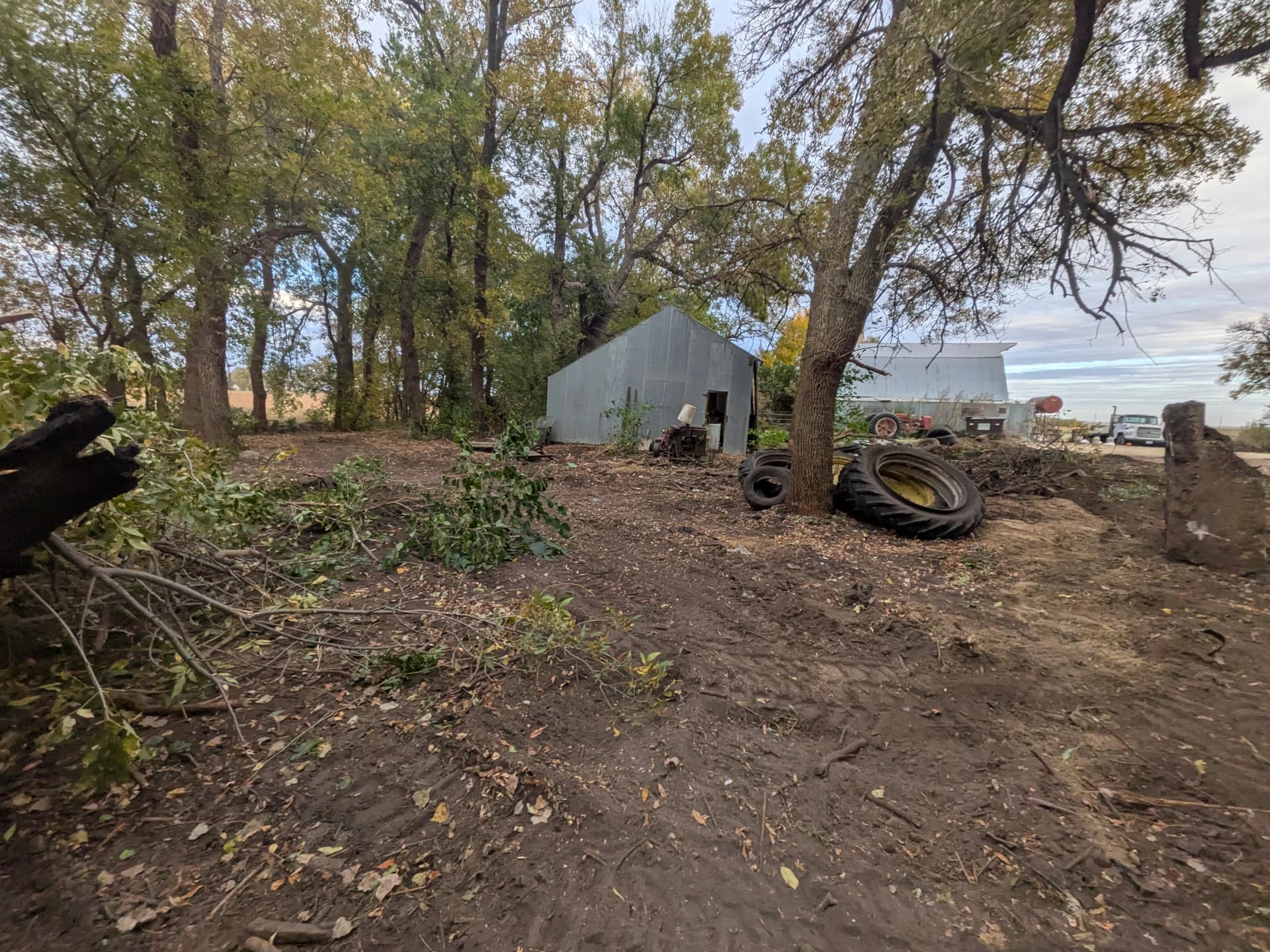
This property in Lakefield had years of buildup working against it. Storm-damaged trees down in awkward spots, heavy underbrush packed in so tight you could barely move through it, and old-growth trees mixed right in the middle of all the chaos. That's the kind of situation where you have to slow down and think before you start cutting.
The first step was getting the lay of the land. We needed to figure out which trees were worth saving and which ones were already compromised from storm damage. That's not always a fast process, but it matters. Dropping the wrong tree makes a mess worse, not better. Protecting the good old-growth trees while pulling out the dangerous ones takes a deliberate hand.
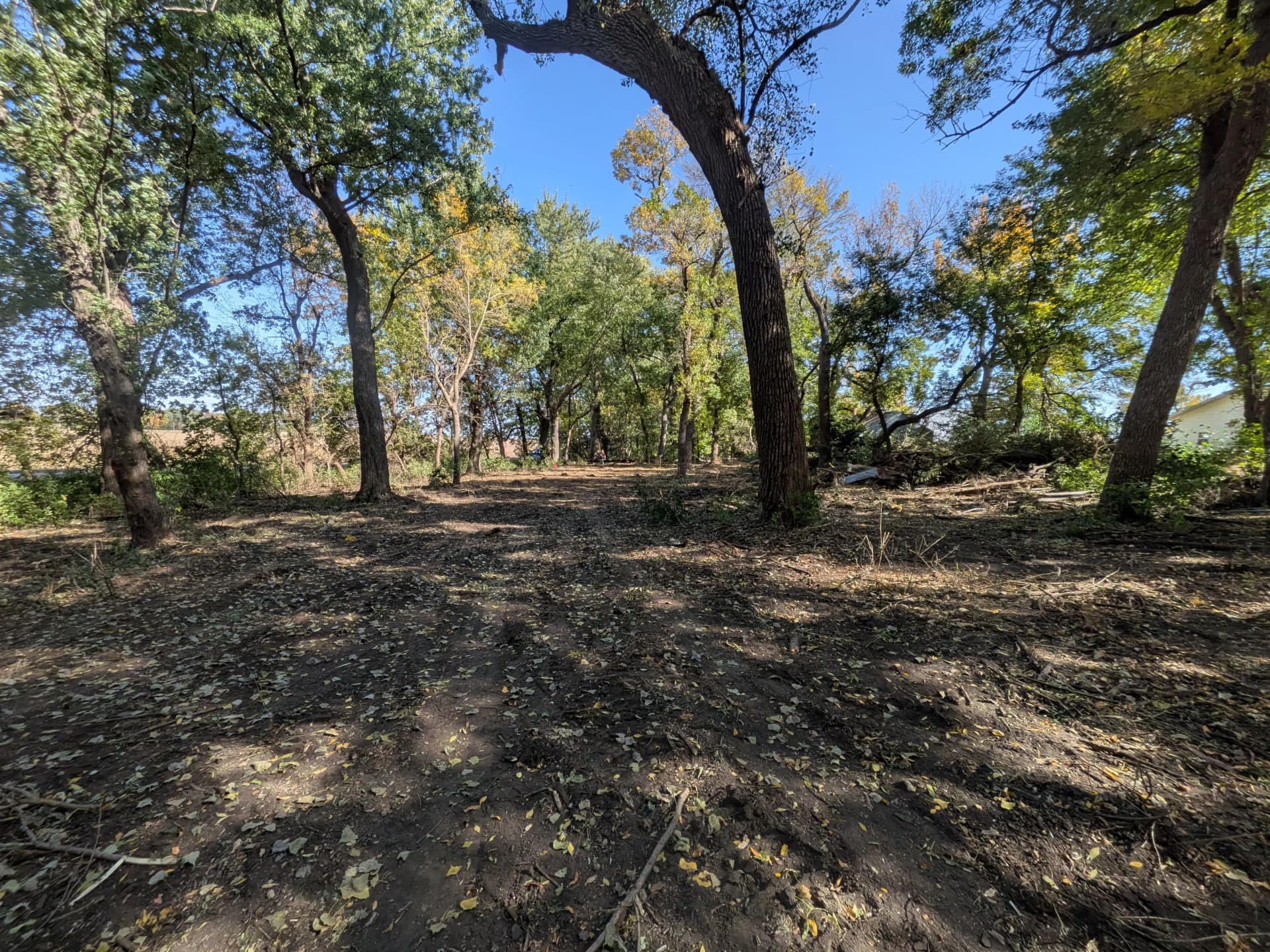
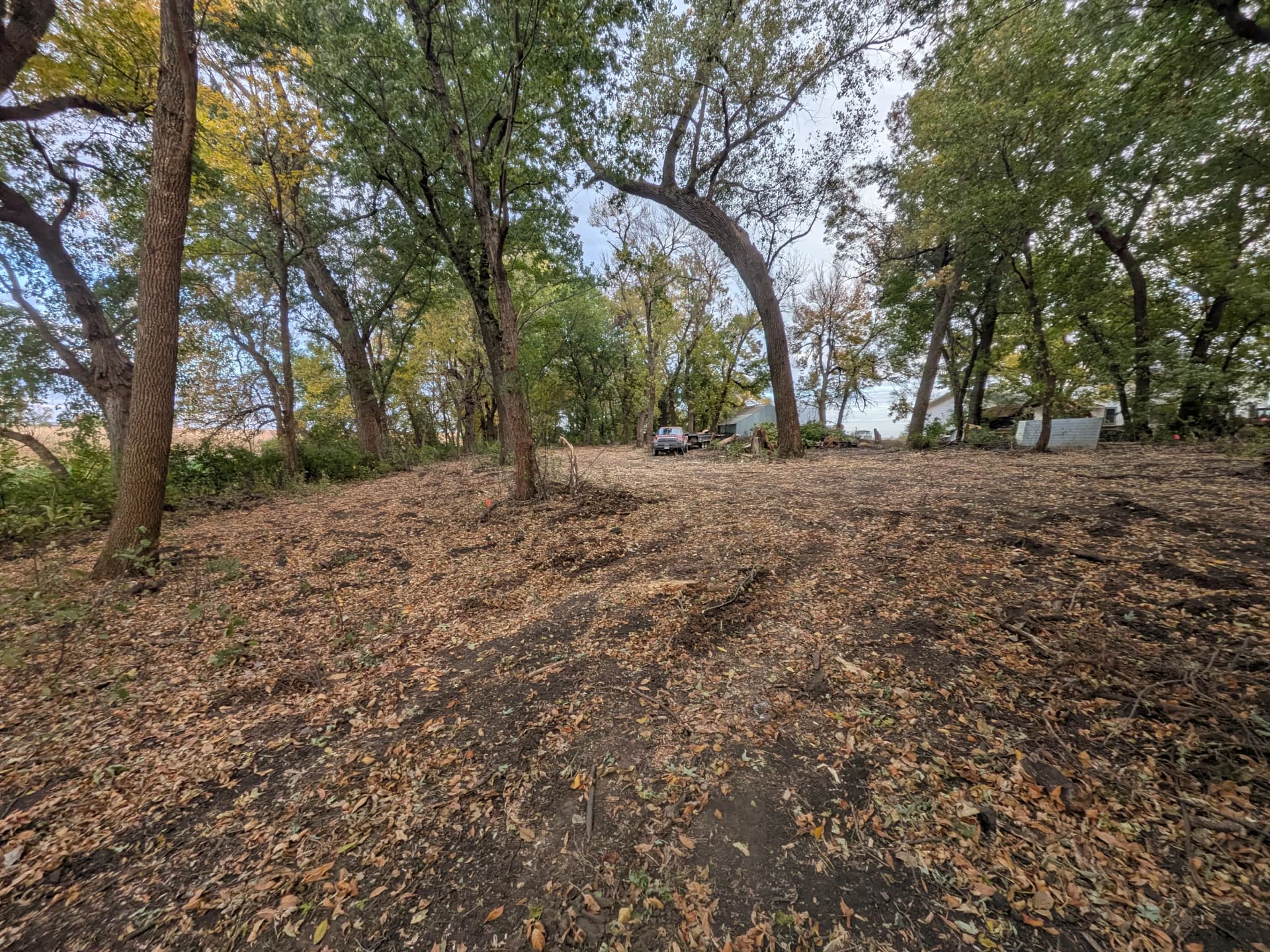
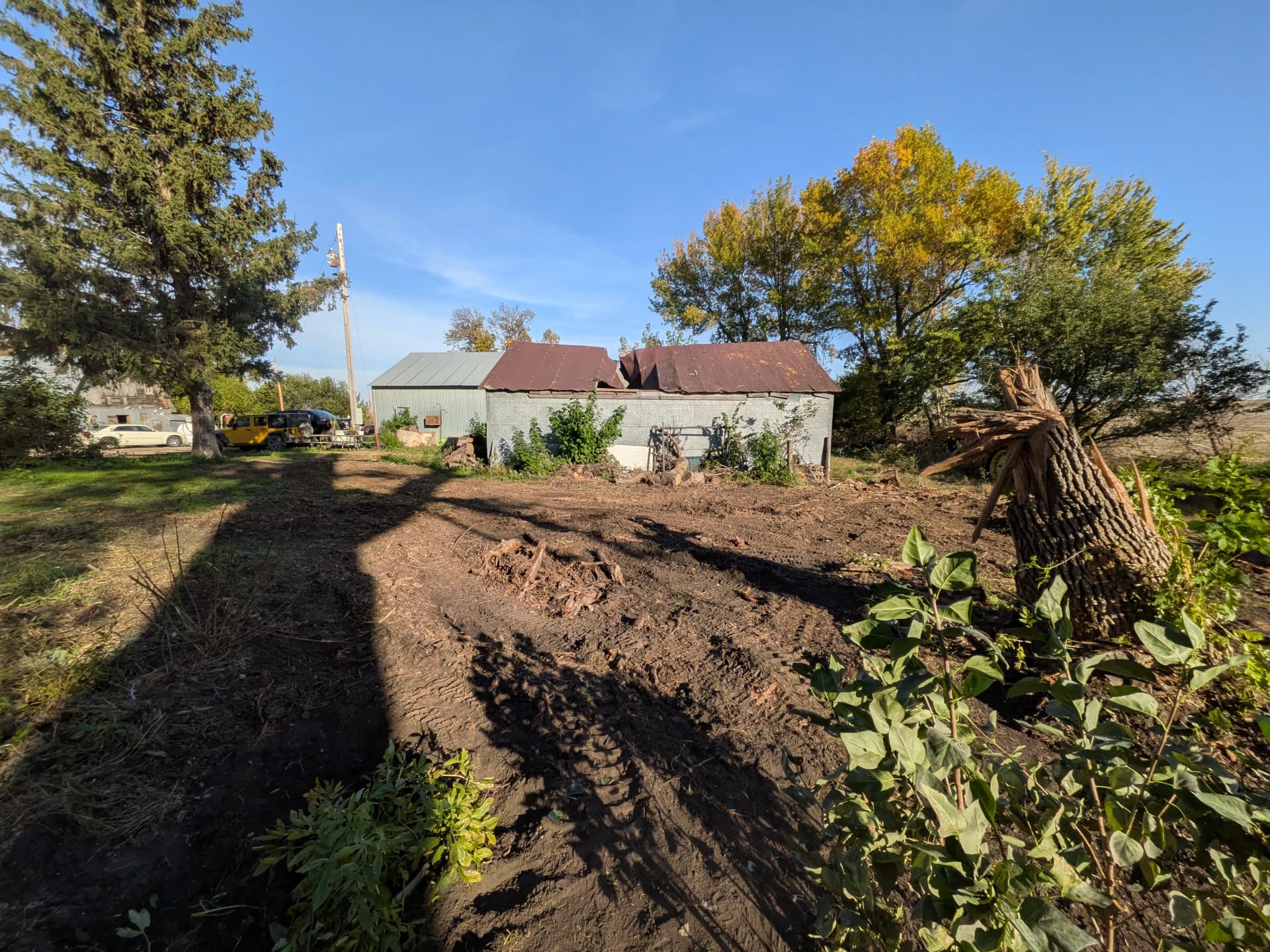
Once we had a clear plan, the underbrush removal and tree removal work got underway. Clearing out dense underbrush like this opens up the whole floor of a property - suddenly you can actually see what you're working with. Downed and damaged material that had been sitting and rotting got pulled out. Stumps from removed trees were taken care of as we worked through each section.
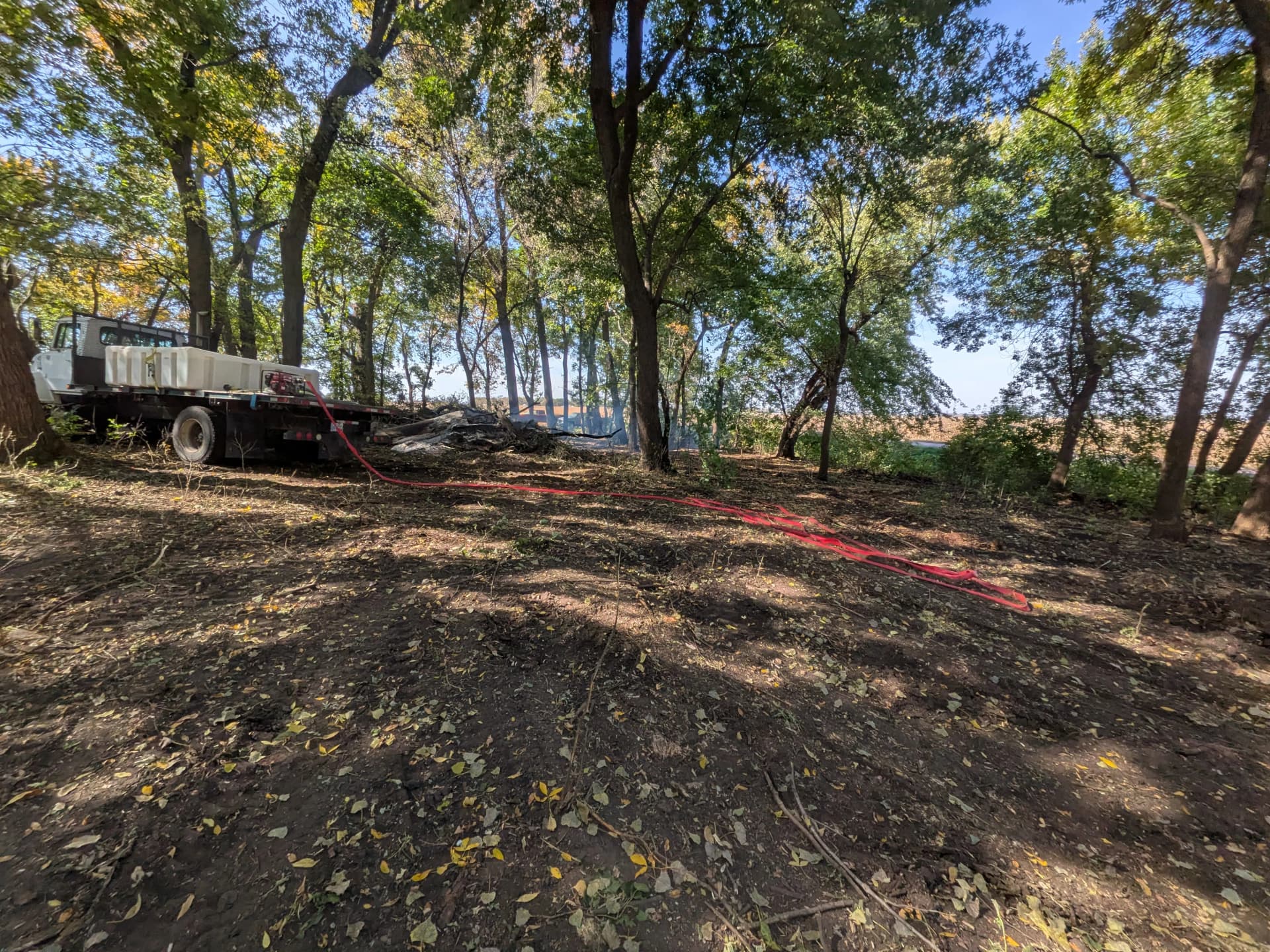
We also had a water truck on site to keep burn piles managed safely as debris was being consolidated. That's just part of doing this kind of land clearing work the right way - especially when you're working near structures and in close quarters with neighboring properties. No shortcuts on safety.
This one is still a work in progress, but the difference between where it started and where it is now is significant. The canopy is open, the ground is accessible, and healthy growth actually has room to come back. That's the goal on a job like this - not just clearing what's in the way, but setting the land up to be better for the long run.